
Hi All
This a very important Clashindarroch update. In conjunction with our legal team, we have been collating evidence and preparing documents to highlight the presence of wildcats throughout the forest, including in and around the windfarm development site. Our goal is to demonstrate that the current felling and industrialisation, provides a real and imminent risk to this priceless population. Once proven, this is the route to a complete and permanent halt to all works.
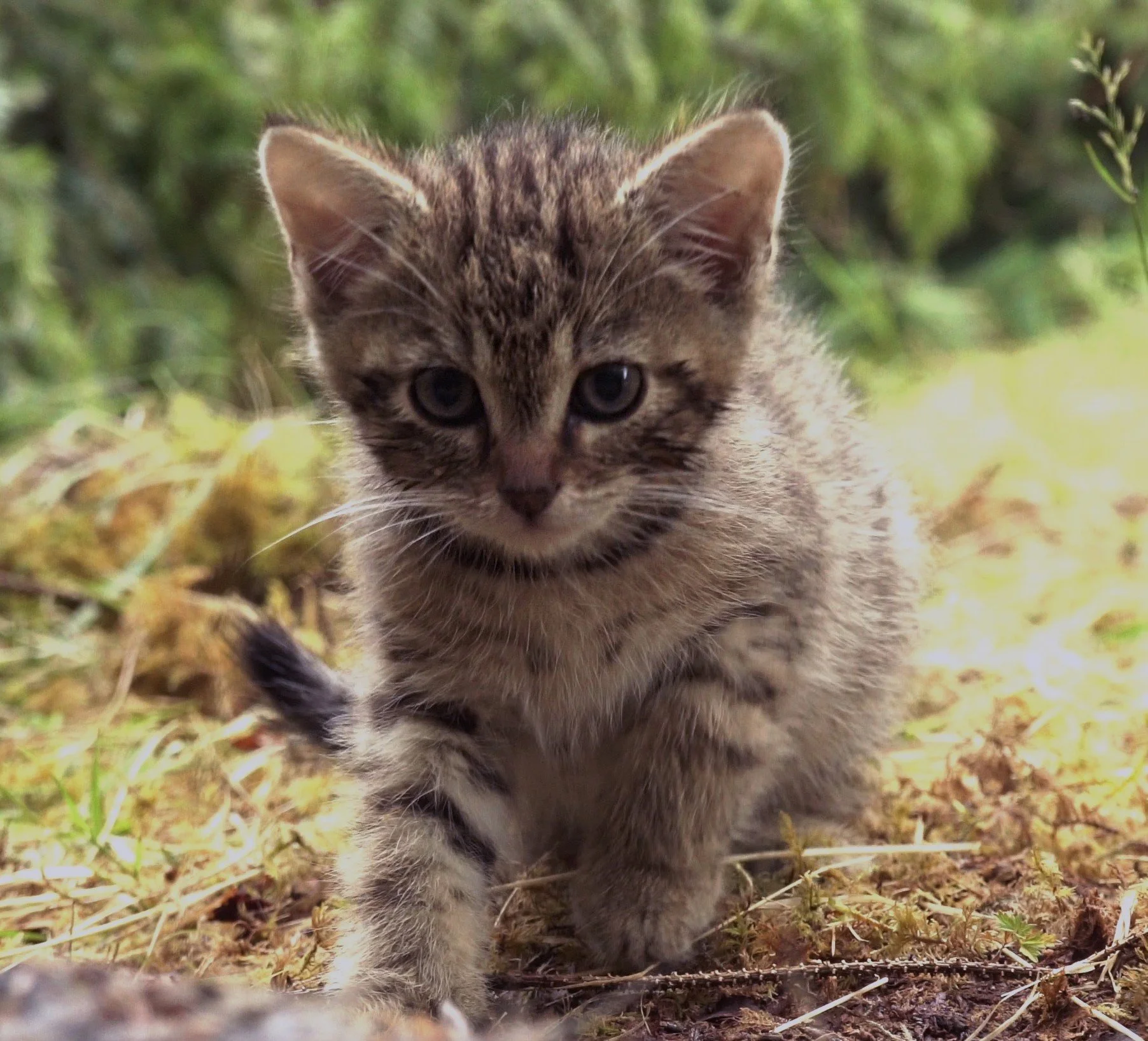
After many months of chasing, the council finally uploaded documents that contained data from Vattenfall’s survey work. The data took some deciphering and reordering as the council had uploaded reports in the wrong order and at different times. However, long story short, the analysis shows multiple potential wildcats present across the forest, including around the development site. This is the really interesting bit. The number of individuals and sightings increases from March through to June, with some cameras picking up as many as 6 images in a month. As you all know, this is the time when females have kittens and are at their most active. It makes biological sense, as they have kittens to rear and feed and so they must travel and hunt, much more frequently.
The data therefore not only shows the presence of potential wildcats, it also indicates a breeding population. This is the second interesting bit. Vattenfall’s Ecological Clerk of Works labels the sightings in different ways in the same reports. They refer to hybrid wildcats and then they call some wildcat hybrids. You will notice that this is the same tactic used by Vattenfall in both Public Inquiry and in court. Before our legal challenges, the Clashindarroch was called a ‘Wildcat Wonderland’, then as soon as the windfarm development is threatened, suddenly all those wildcats become hybrids. Hmmmm. A sinister magic trick indeed.
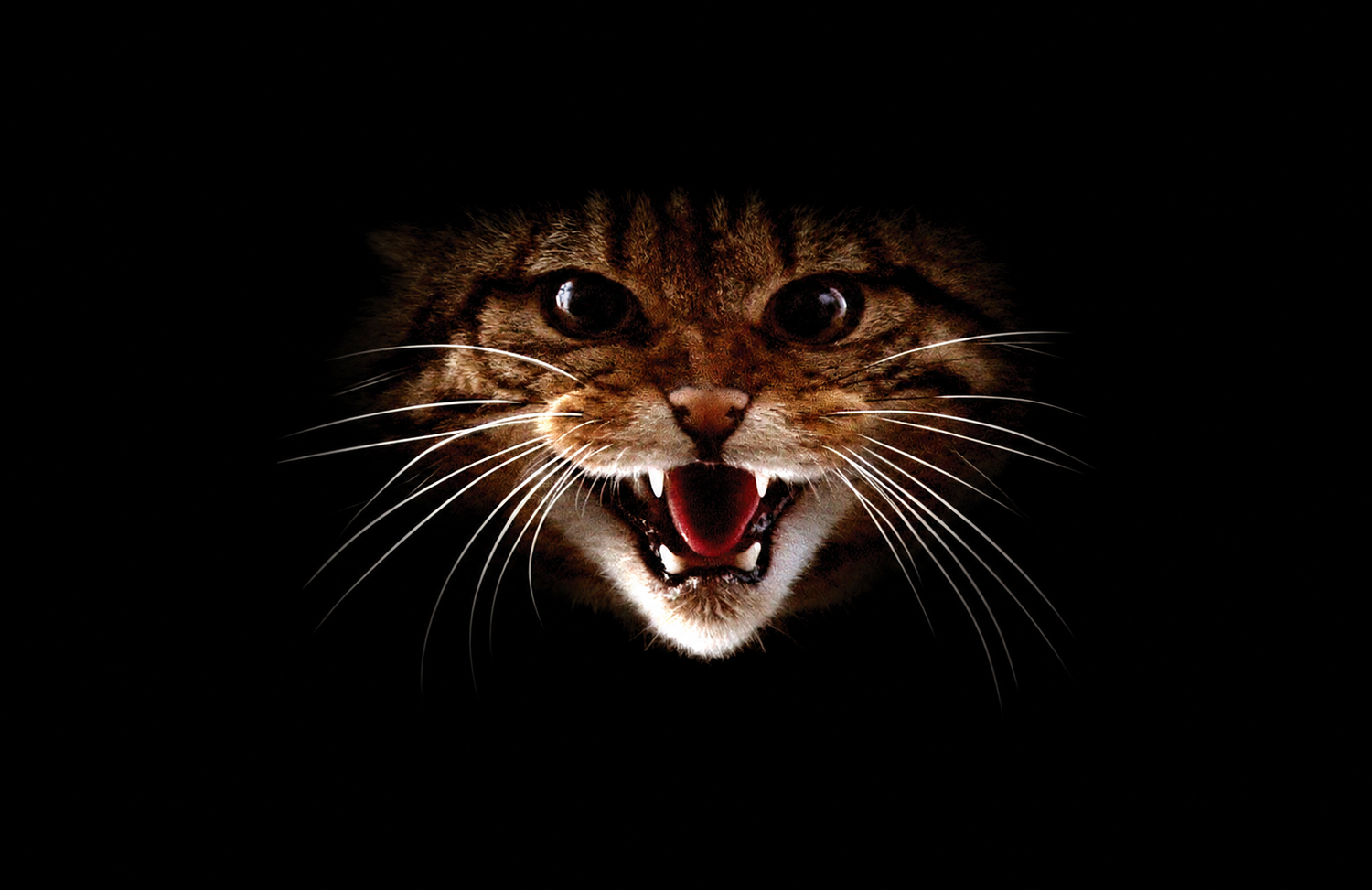
Over the years, we have shown you countless videos of wildcats in the Clashindarroch. In 12 years of surveying, we have never found a feline that falls below the threshold for what is considered a wildcat. They have all been extremely high scoring cats. It is worth noting that we have also never got a domestic cat on camera. The Clashindarroch is simply too harsh an environment for a domestic cat to survive. The winters are brutal and a domestic cat would stand no chance. It is the remoteness and wildness of the Clashindarroch, that has protected its wildcat population from hybridisation.
The data has been analysed and presented to Nature Scot by our legal team. It is extremely compelling and only yesterday, we have had confirmation from Nature Scot that they will now be investigating the issue because of our report. This is the first time they have acted in such a way.
However, information is still being withheld by Vattenfall and they have not published any images in their reports. Our strong suspicion is that they do not want to disclose them as they will be independently scored as wildcats and certainly not hybrid wildcats or wildcat hybrids, or whatever garbled nonsense Vattenfall claim them to be.
Vattenfall are now in a very tight corner, as their own data suggests a breeding population of potential wildcats. That is a game changer. So we keep going, pushing for full disclosure and providing evidence to the authorities. We are closing in on a win and Vattenfall know it, which is why we have seen such desperate attempts by them to disrupt our work and intimidates us in recent weeks.
As always, your ongoing support is vital. As we hopefully head towards an end to this madness, now is the time to keep moving forwards with full determination. As you have always done, you can support our work here:
https://www.crowdjustice.com/case/wildcats/
There are many more updates to follow
Sincere thanks as always
Emily and a hyper focussed Wildcat Haven Team.